
DJDC Inverter Review in Pakistan
DJDC Inverter Review in Pakistan
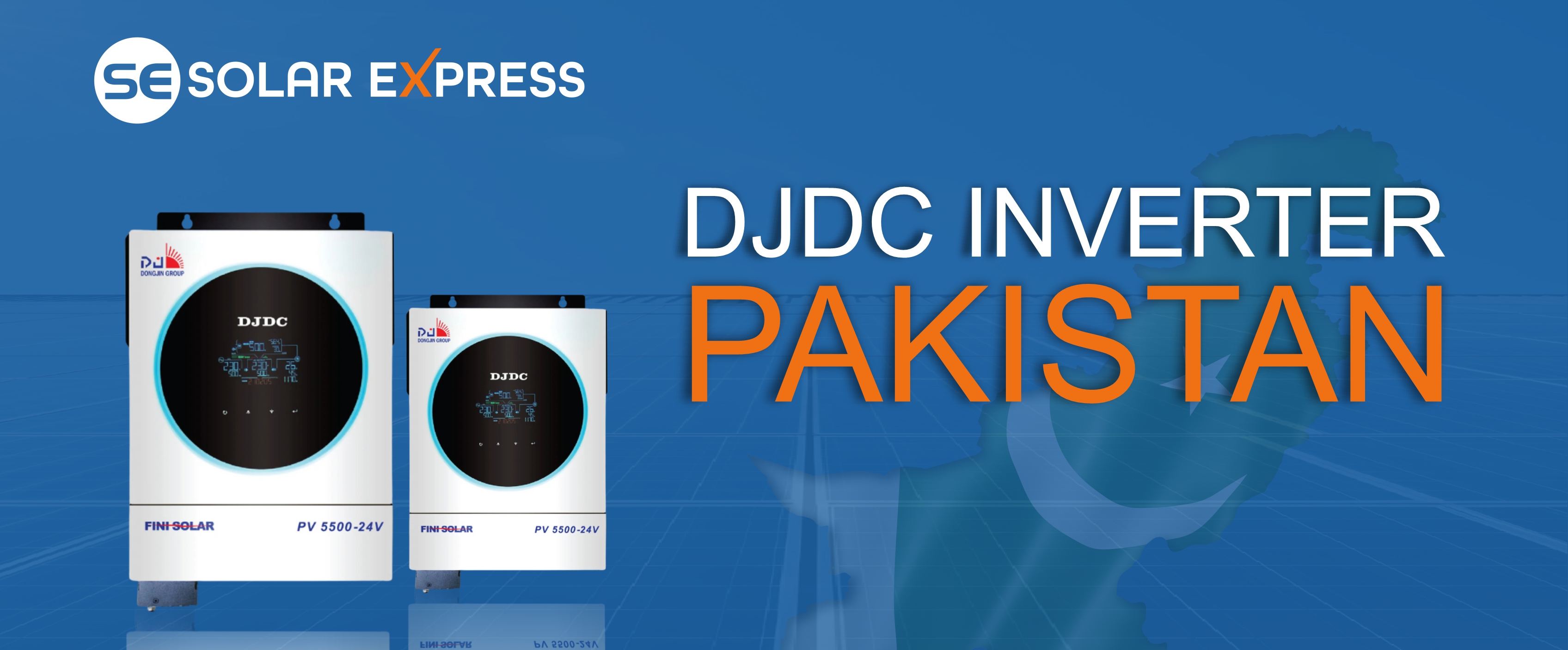
As solar energy rapidly grows across Pakistan, homeowners and businesses are looking for reliable hybrid inverters that balance performance, durability, and cost. Among the recent names gaining attention is DJDC Power, known for its high-efficiency hybrid inverters such as the DJDC PV5500 and DJDC PV7000 series. In this review, we’ll explore how DJDC inverters perform in Pakistani conditions, their features, prices, and whether they’re worth investing in.
Why Pakistani Users Are Switching to Hybrid Inverters
With increasing load-shedding and electricity costs, hybrid solar inverters have become essential for modern homes. They allow you to use solar energy during the day, store excess power in batteries, and automatically switch to the grid when required. This smart energy management helps reduce dependency on WAPDA and keeps appliances running even during outages.
DJDC inverters stand out for combining affordability with advanced hybrid features that rival some of the bigger international names.
Key Features of DJDC Inverters
1. Advanced MPPT Solar Charge Controller
DJDC inverters are equipped with high-efficiency MPPT (Maximum Power Point Tracking) technology. Models like the PV5500 (4 kW) and PV7000 (6 kW) include 5.5 kW and 7 kW MPPT controllers respectively. This ensures you get the maximum output from your solar panels—even on cloudy days.
2. Pure Sine Wave Output
Unlike modified sine wave inverters, DJDC models provide a pure sine wave output, making them safe for sensitive electronics such as LED TVs, laptops, refrigerators, and air conditioners.
3. Wi-Fi Monitoring & Smart Control
Most DJDC inverters come with built-in Wi-Fi modules that allow real-time monitoring through mobile apps. You can easily track solar input, load usage, and battery status from anywhere.
4. Dual Output & Parallel Operation
The dual AC output allows separation of critical and non-critical loads, while some models can operate in parallel (up to 9 units), making them suitable for large homes, offices, or commercial setups.
5. Wide PV Input Range
DJDC inverters support a wide photovoltaic input range (60 V – 450 V), offering flexibility in designing solar arrays of different configurations.
Price of DJDC Inverters in Pakistan (2025)
| Model | Capacity | Approx. Price (PKR) | Features |
|---|---|---|---|
| DJDC PV5500 | 4 kW / 5.5 kW MPPT | Rs. 118,000 – 125,000 | Dual hybrid, Wi-Fi, pure sine wave |
| DJDC PV7000 | 6 kW / 7 kW MPPT | Rs. 155,000 – 165,000 | Parallel support, high-load capacity |
| DJDC 6500 W Hybrid | 48 V DC to 230 V AC | Rs. 130,000 – 140,000 | 130 A MPPT, Wi-Fi monitoring |
Prices may vary depending on city, distributor, and availability.
DJDC Inverter Pros and Cons
Pros
-
Excellent value for money
-
Advanced MPPT and pure sine wave technology
-
Wi-Fi monitoring and load management
-
Works efficiently in hybrid and off-grid setups
-
Competitive pricing compared to Growatt or Solis
Cons
-
Limited after-sales service network in some regions
-
Fewer verified long-term user reviews in Pakistan
-
Warranty policies depend on the distributor
-
May require experienced installers for optimal setup
Performance in Pakistani Conditions
DJDC inverters handle Pakistan’s climate reasonably well when properly installed with ventilation and surge protection. Their efficiency stays high even in high temperatures. However, it’s crucial to buy from authorized dealers who provide genuine units with local service and warranty support.
In cities like Peshawar, Islamabad, Lahore, and Karachi, users have reported smooth operation for typical home loads—fans, lights, refrigerators, and 1–1.5 ton air conditioners.
Warranty and After-Sales Support
Most DJDC inverters come with 1 year parts replacement and up to 4 years service warranty. Before purchasing, confirm whether your seller provides on-site service or if the unit must be shipped to another city. Reliable after-sales support is crucial when investing in any hybrid inverter.
Comparison with Other Brands
| Brand | Efficiency | Warranty | Price Range (PKR) | Remarks |
|---|---|---|---|---|
| DJDC | 95% | 1 + 4 Years | 115k–165k | Affordable, feature-rich |
| Growatt | 96% | 2 Years | 160k–220k | Premium build, better support |
| Solis | 96% | 3 Years | 170k–230k | Excellent reliability |
| Inverex | 94% | 1 Year | 130k–190k | Local brand presence |
DJDC is a smart alternative if you want strong specs at a lower price, but for mission-critical setups, Growatt or Solis still hold the edge in service network and reliability.
Final Verdict – Is DJDC Worth Buying in Pakistan?
If you’re building a mid-range hybrid solar system and want maximum features for a reasonable price, the DJDC inverter is a worthy option. It delivers solid efficiency, modern features, and stable performance for typical Pakistani loads.
However, always verify the warranty, buy from a trusted distributor, and ensure professional installation for long-term reliability.
solar energy
Related Articles