New NEPRA Solar/Net Metering Policy 2026
New NEPRA Solar/Net Metering Policy 2026
Pakistan’s solar energy sector is entering a transformative phase. The National Electric Power Regulatory Authority (NEPRA) has introduced major regulatory changes that replace the traditional net metering system with a modernized framework — reshaping how rooftop solar owners export electricity and are compensated for it. Dunya News+1
What’s Changing in the New Policy?
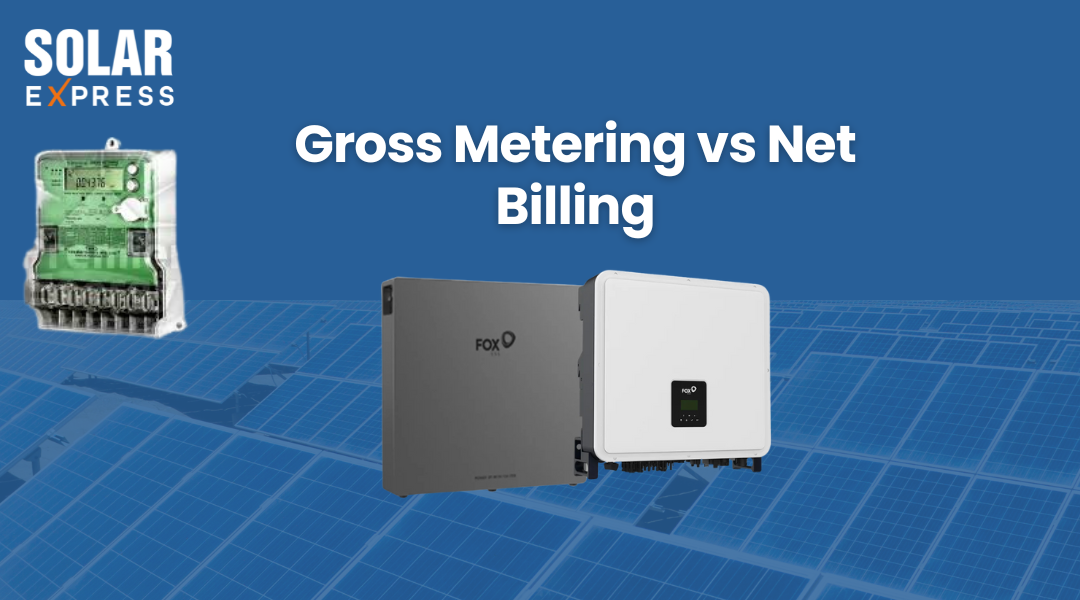
Pakistan’s solar net metering regime, which previously allowed households and businesses to offset imported electricity with solar generation on a 1:1 basis, is being replaced with a net billing structure under the Prosumer Regulations, 2025 — effectively taking full effect in 2026. pv magazine International+1
🔄 From Net Metering to Net Billing
-
Net Metering (Old System): Solar producers used to export surplus electricity and receive a 1:1 unit credit against future imported electricity.
-
Net Billing (New System): Surplus electricity generated by your solar system will be compensated at a fixed per‑unit rate instead of unit‑for‑unit offsetting.
-
This rate is based on national average wholesale purchase prices (which are significantly lower than retail electricity prices). pv magazine International
-
This shift aims to balance consumer benefits with grid financial sustainability as rooftop solar capacity has grown rapidly and placed revenue pressure on distribution companies. The Friday Times
Buyback / Compensation Rates A Major Change
Under the revised framework:
-
The export compensation rate for surplus solar power is being significantly lowered compared to the older net metering buyback rates (which were around Rs25–29/unit). Business Recorder
-
New proposals suggest rates closer to the national average energy purchase price, which is roughly half or less of earlier rates. pv magazine International
Industry reactions:
Business groups like the FPCCI have criticized the reduced rates, warning they could hurt investment incentives for new solar adopters. Business Recorder
Contracts and Licensing
Other notable policy reforms include:
-
Shorter contract durations: New solar billing agreements are proposed to be 5 years instead of 7 years. Dunya News
-
Licensing for small systems: Solar installations up to 25 kW, which earlier didn’t require a license, now need regulatory concurrence from NEPRA. Dunya News
These changes reflect NEPRA’s effort to standardize the rooftop solar market and align it with broader grid regulation objectives.
🏡 What This Means for Existing Solar Users
There’s ongoing discussion about how and when the new rules apply to existing solar users:
-
Some reports suggest existing net metering users may retain older terms until their current contracts expire. Dunya News
-
Other stakeholder commentary indicates the technical billing method (net billing) could apply immediately but with transitional buyback protections. Reddit
Either way, clarifications from NEPRA and DISCOs are expected in early 2026 as the policy is finalized and operationalized.
Why Pakistan Is Making This Shift
This policy change isn’t just about costs — it’s about long‑term grid health and sector sustainability:
✔ Rooftop solar installations have surged, reducing daytime grid sales and hurting revenue streams for utility companies. Gwadar Pro
✔ The previous net metering build‑out strained some distribution networks and created challenges balancing supply/demand. The Friday Times
✔ Net billing aims to provide fairer compensation for solar producers while maintaining affordable tariffs for all grid consumers.
Key Takeaways
| Aspect | Old Policy | New Policy 2026 |
|---|---|---|
| Billing System | Net Metering (1:1 unit offset) | Net Billing (monetary credits) |
| Compensation Rate | Higher retail‑linked | Lower, based on average purchase price |
| Contract Length | 7 years | 5 years |
| Licensing | Exempt for small systems | Required for up to 25 kW systems |
Final Thoughts
The 2026 NEPRA Solar Policy marks a major shift for Pakistan’s rooftop solar landscape. While the move is designed to protect grid economics and promote stability, it also raises questions about how rooftop solar remains financially viable for households and businesses. Overall, solar users and prospective adopters should closely monitor official notifications from NEPRA and consider how net billing will impact their energy planning moving forward.
Related Articles