Off-Grid Solar System Cost in Pakistan
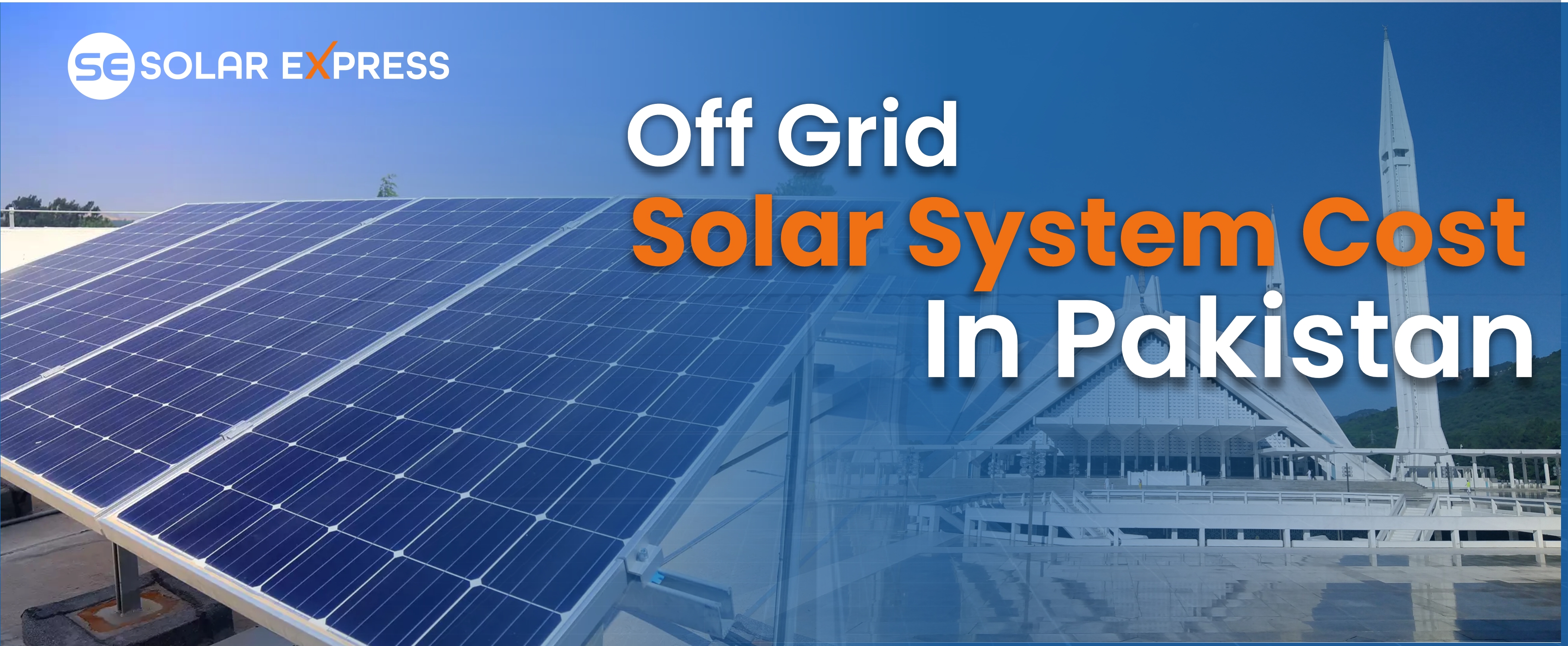
As power outages and rising electricity bills continue to affect daily life, more Pakistanis are choosing to go off-grid producing their own electricity and gaining full control over energy needs. However, what is the real cost of setting up such a system in Pakistan today. Let us find out.
What Is an Off-Grid Solar System?
An off-grid solar system works completely independent of WAPDA. It stores sunlight in batteries and provides electricity 24/7 even during load shedding or grid failure.
It includes solar panels; a charge controller, inverter, and battery bank all working together to keep your lights, fans, fridge, and even ACs running smoothly.
Off-Grid Solar System Cost in Pakistan (2025)
The price depends on how much power you need and what kind of batteries you choose (lithium, AGM, or lead-acid). Here is the average range:
- 3kW System: Rs 400,000 – 600,000 — Ideal for small homes (lights, fans, fridge).
- 5kW System: Rs 1,100,000 – 1,600,000 — Best for medium houses with a few ACs.
- 10kW System: Rs 2,200,000 – 3,000,000 — Suitable for large homes or small offices.
Average cost per kW (including batteries): Rs 120,000 – 150,000.
Key Components Included
- Solar Panels: Capture sunlight and generate power.
- Inverter: Converts solar power into usable electricity.
- Battery Bank: Stores energy for night or cloudy days.
- Mounting, Wiring & Installation: Ensures stable and safe setup.
Why Choose Off-Grid Solar?
No Load-Shedding: Power available 24/7, even in remote areas.
Huge Savings: Cut monthly bills and enjoy free energy after payback.
Eco-Friendly: Clean, renewable, and quiet energy source.
Energy Independence: Total freedom from rising tariffs and grid issues.
What to Consider Before Buying
- Battery Life: Replace every 5–8 years (Lithium lasts longer).
- System Size: Match capacity to your household’s daily use.
- Quality Brands: Choose Tier-1 panels and reliable installers.
- Maintenance: Keep panels clean for maximum efficiency.
Final Thought
An off-grid solar system may cost more upfront, but it gives long-term comfort, savings, and independence. For many homes in Pakistan especially in rural or load-shedding zones it’s not just an upgrade, it’s a smart investment for the future.
Related Articles