
Lifespan of Lithium-Ion Batteries
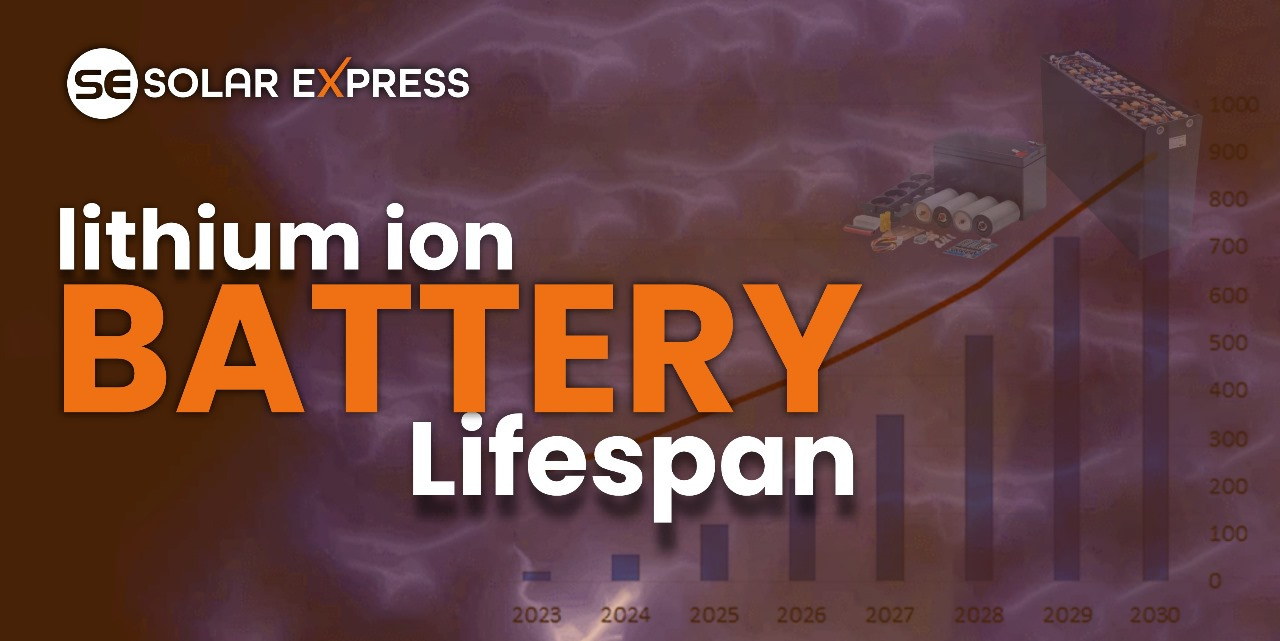
Lithium-ion (Li-ion) batteries have evolved the spine of current technology. From smartphones and laptops to electric vehicles (EVs) and solar energy storage systems, these batteries power much of our everyday lives. One of the multiple common questions people ask is: How long does a lithium-ion battery last? The solution depends on several factors; however, lithium-ion batteries are typically designed to provide dependable routine for many years if endured properly.
Average Lifespan in Years and Cycles
The lifespan of a lithium-ion battery is usually calculated in charge cycles. A single process means one full discharge and recharge. On average, traditional lithium-ion batteries last between 500 to 1,000 cycles, which summarizes to around 2 to 4 years for gadgets like laptops and smartphones.
For larger applications, such as solar systems or electric vehicles, developed lithium-ion chemistries especially Lithium Iron Phosphate (LiFePO₄), are generally used. These can last between 2,000 to 5,000 cycles, often giving 8 to 12 years of good life. This is one of the main causes why LiFePO₄ batteries are becoming more popular in renewable energy storage systems.
How Capacity Fades Over Time
Like all batteries, lithium-ion cells slowly lose capacity as they age. A standard battery will have about 70–80% of its original capacity by the end of its rated lifespan. This does not mean the battery is completely finished, but its ability to hold charge will reduce, leading to shorter usage times for your devices or reduced backup in solar systems.
Key Factors That Affect Lifespan
Several states influence how long a lithium-ion battery lasts:
-
Depth of Discharge (DoD) – Batteries last longer when they are not fully drained. For example, keeping discharge at 20–30% instead of running the battery down to 0% extends its life significantly.
-
Charging Habits – Overcharging or always charging to 100% can induce stress on the cells. Many experts suggest keeping the battery between 20% and 80% for longer lifespan, especially for consumer electronics.
-
Temperature – Heat is the opponent of lithium-ion batteries. High operating temperatures speed up chemical degradation. Ideally, these batteries should be kept at average room temperature.
-
Battery Quality and Management System – Premium batteries with a good Battery Management System (BMS) ensure safety against overcharging, overheating, and deep discharge. This enhances longevity corresponded to cheaper, low-quality cells.
Lithium-Ion vs Other Battery Types
Likened to lead-acid batteries, which typically last only 2 to 4 years or about 300–500 cycles, lithium-ion batteries provide much longer benefit life, lighter weight, and higher efficiency. This makes them more cost-effective in the long run despite a higher initial price.
Determination
The lifespan of a lithium-ion battery depends on its type, application, and how well it is maintained. For smartphones and laptops, desire 2–4 years before a substantial drop in arrangement. For energy storage and EV applications, modern LiFePO₄ batteries can last over a decade with proper use. By assuming smart charging habits, avoiding excessive temperatures, and investing in high-quality batteries, you can maximize the lifespan and get the best value out of your lithium-ion asset.
Related Articles