
Best Batteries & Solar-Inverter Integrated Systems for Home
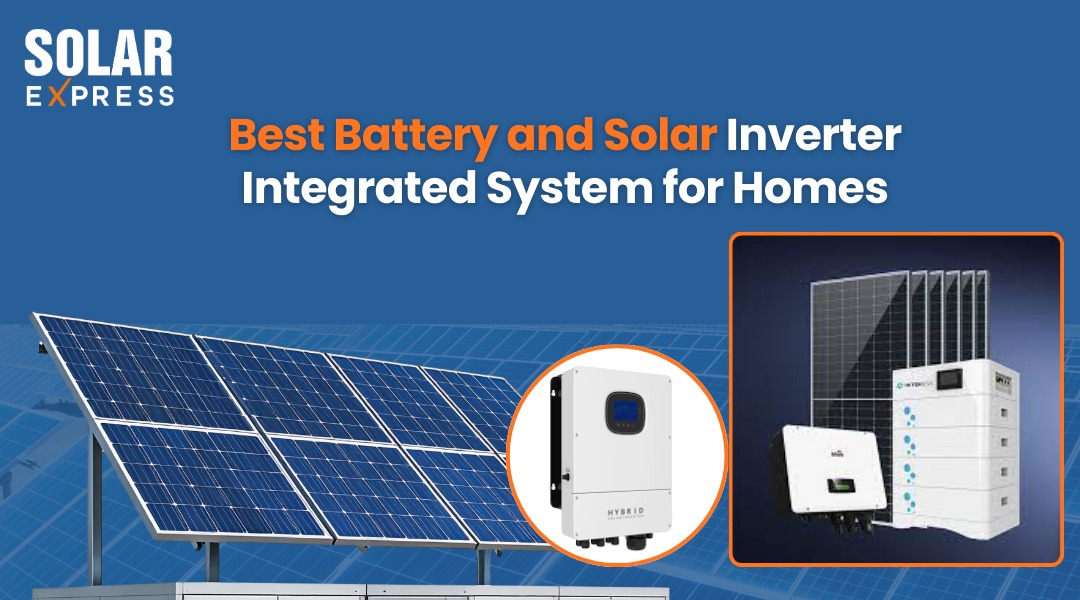
As home energy needs grow and electricity prices continue to rise, more households are moving toward integrated solar + battery systems. These systems combine a hybrid inverter with a lithium battery bank, giving homeowners reliable backup during outages, higher solar self-consumption, and complete control over when and how their energy is used. Brands like GoodWe, Fox (Fox ESS) and Knox have stepped forward with efficient, modern, LFP-based solutions suitable for homes of all sizes.
This comprehensive guide explains what to look for, how these systems work, why integrated solutions outperform traditional setups, and which brands offer the strongest performance and long-term value.
Why Homeowners Are Choosing Integrated Hybrid Systems
An integrated system is built around a hybrid inverter, a device that performs three roles simultaneously:
-
Converts DC power from solar panels into AC power for home use
-
Charges and discharges the battery intelligently
-
Communicates with the grid to balance import, export, and self-consumption
Instead of installing separate components — a solar inverter, a battery inverter, a charge controller, and wiring them through a complicated interface — a hybrid system combines everything into one seamless design.
The benefits are clear:
-
High efficiency: Less energy is wasted during conversion
-
Better communication: Battery and inverter are designed to talk to each other
-
Smooth backup: Automatically switches to battery during an outage
-
Cleaner wiring: Reduces space, heat, and maintenance
-
Smarter energy management: You decide when to store or use energy
Most modern home systems now use LiFePO₄ (LFP) battery chemistry due to its safety, long cycle life, and temperature stability — ideal for the climate variations in regions like Pakistan and the Middle East.
Key Features to Look for in a Solar + Battery System
Before choosing a brand, understand the most important factors that affect performance:
1. Inverter Capacity (kW)
Match your home’s consumption.
-
3–5 kW for small homes
-
6–8 kW for medium homes
-
10–15 kW for large homes or heavy appliances
2. Battery Capacity (kWh)
Battery size determines how long your home can run during an outage or night-time.
Most homes use 5–15 kWh, while larger homes may need 15–25 kWh or scalable modular banks.
3. Backup Ability
Look for:
-
milliseconds switching
-
dedicated backup ports
-
load priority management
4. Efficiency & MPPT Performance
Good MPPT tracking increases solar harvest while high round-trip efficiency ensures more usable battery energy.
5. Scalability
Choose systems that allow you to add modules later instead of buying a large battery upfront.
6. Local Service & Warranty
Since these systems run daily for years, brand reliability and after-sales support matter more than ever.
Top Brands Offering Strong Integrated Systems
1. GoodWe — Reliable, Versatile and Proven Worldwide
GoodWe has become one of the most trusted global hybrid inverter manufacturers. Their systems are designed for homes seeking dependable daily performance, long-term durability, and smooth battery management.
Why GoodWe Stands Out
-
Excellent hybrid inverter series for both single-phase and three-phase homes
-
High efficiency and stable LFP battery options
-
Intelligent energy management with detailed monitoring
-
Strong backup support and quick switching time
-
Suitable for everything from 3 kW to 15 kW residential installations
GoodWe’s hybrid platform is ideal for homeowners who want consistent performance, strong warranties, and a system that simply works without complex maintenance.
2. Fox ESS (Fox) — Modern, Modular, and High-Efficiency
Fox systems are known for their sleek design, high-voltage batteries, and advanced hybrid inverters. They are particularly popular among users who want a future-proof, expandable energy storage setup.
Key Strengths of Fox
-
High-voltage lithium batteries for improved round-trip efficiency
-
Modular stacking options ideal for scaling from 5 kWh up to large capacities
-
High inverter efficiency with fast MPPT response
-
Aesthetic, compact design suitable for homes
-
Excellent night-time performance and long battery cycle life
Fox is a great match for households expecting their energy needs to grow later — for example adding more AC units, a heat pump, or even planning future EV charging.
3. Knox — Growing Brand with Practical Home Energy Solutions
Knox is an emerging name that focuses on cost-effective hybrid solutions without compromising essential features. Their systems pair well with households wanting good battery backup at a competitive price point.
Why Knox Is a Good Option
-
Straightforward hybrid inverter designs
-
Compatible LFP battery modules for home backup
-
Practical performance for daily charging/discharging
-
Attractive value for mid-range residential systems
For budget-conscious families or medium-sized homes, Knox products offer a balanced mix of affordability, reliability, and easy installation.
Comparing the Three Brands
GoodWe
Best for homeowners needing proven reliability, strong backup capability, and a globally refined hybrid platform.
Fox ESS
Best for users who value modularity, high efficiency, and expansion—ideal for larger future-ready installations.
Knox
Best for those seeking practical performance and affordability while still gaining the convenience of an integrated hybrid system.
How to Size the Right System for Your Home
Step 1: Identify Your Critical Loads
Make a list of devices that must run during load shedding or outages.
Common essential loads include:
-
Lights
-
Fans
-
Wi-Fi
-
Refrigerator
-
1–2 rooms’ worth of appliances
For partial backup, a 5 kW inverter + 5–10 kWh battery works well.
Step 2: Estimate Daily Consumption
Use your monthly electricity bill or a load calculator. Homes with AC, multiple appliances, and water motors naturally need higher capacity.
Step 3: Choose Scalability Wisely
If you expect future growth:
-
Choose Fox for easy modular expansion
-
Choose GoodWe for a large inverter range with optional battery add-ons
-
Choose Knox for cost-effective scaling in moderate-size setups
Step 4: Consider Solar Panel Size
A typical match is:
-
5 kW inverter → 5–6 kW panels
-
8 kW inverter → 8–10 kW panels
-
10–12 kW inverter → 12–14 kW panels
A properly sized panel array ensures the battery charges fully during daylight.
Professional Recommendations Based on Home Size
Small Home (2–3 rooms)
-
3–5 kW hybrid inverter
-
5–8 kWh LFP battery
-
Recommended brands: GoodWe small hybrid series, Knox hybrid systems
Medium Home (3–5 rooms)
-
5–8 kW hybrid inverter
-
8–15 kWh battery
-
Recommended brands: GoodWe ES/EH series, Fox ESS hybrid models, Knox mid-size solutions
Large Home or Heavy Load
-
8–12 kW hybrid inverter
-
15–25 kWh modular battery bank
-
Recommended brands: Fox ESS (excellent scalability), GoodWe three-phase or high-capacity hybrid
Final Thoughts
The move toward integrated solar + battery systems is no longer a luxury it is a long-term investment in energy freedom, stability, and cost savings. Whether you are looking for strong backup during outages, lower grid consumption, or a future-ready system that can scale with your household, the right hybrid solution makes all the difference.
-
Choose GoodWe if reliability and stability are your highest priorities.
-
Choose Fox ESS if you want modularity, advanced technology, and efficient modern design.
-
Choose Knox if you want a practical, budget-friendly system that still delivers dependable energy storage.
By understanding your home’s energy needs and selecting a well-matched inverter + battery combination, you can enjoy uninterrupted power, lower energy bills, and complete control over your household’s electricity day and night.
read more solarexpress.pk
Related Articles